BekstoneBodrum

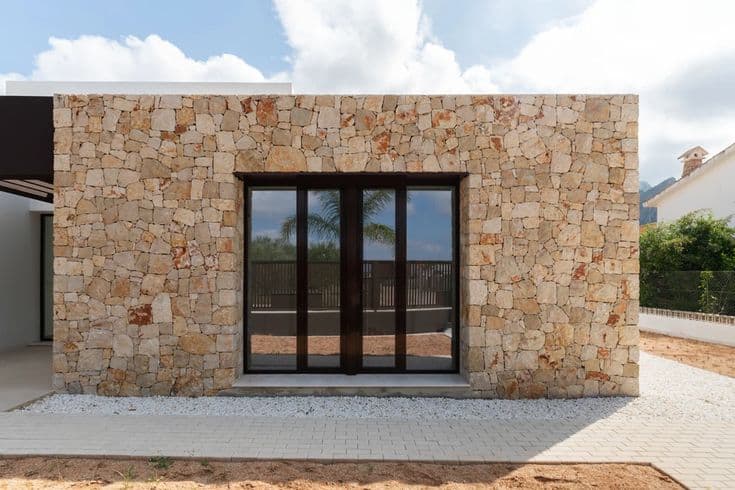
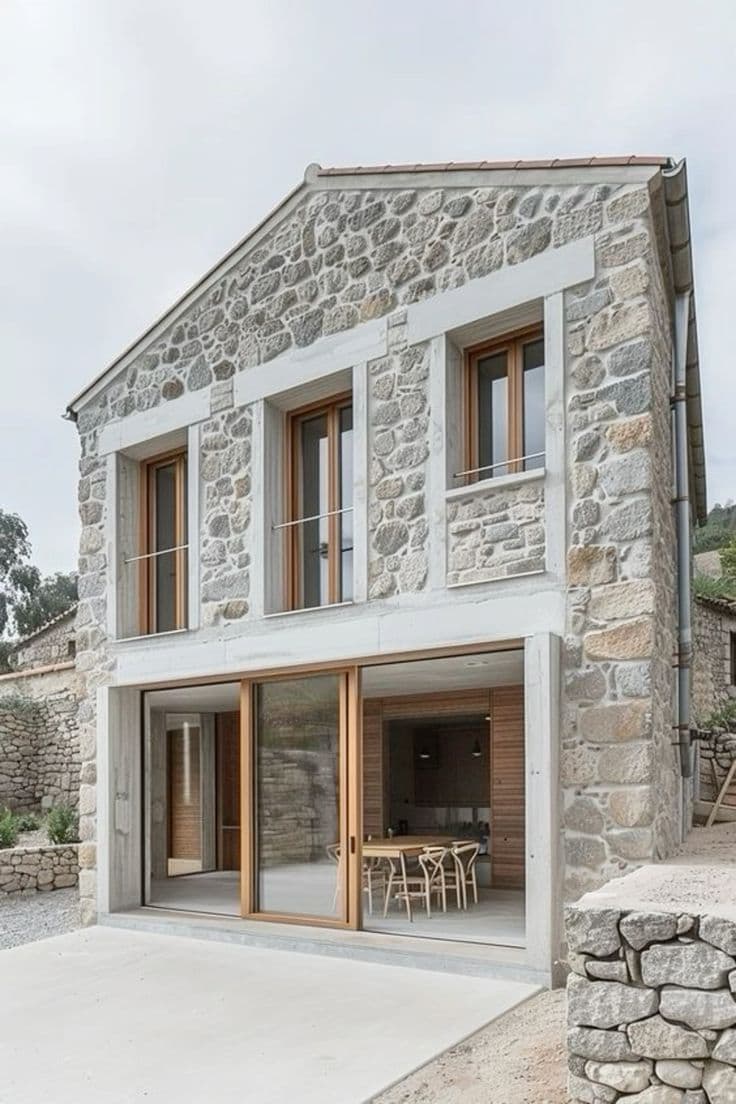
This is what rockface looks like on a real facade.

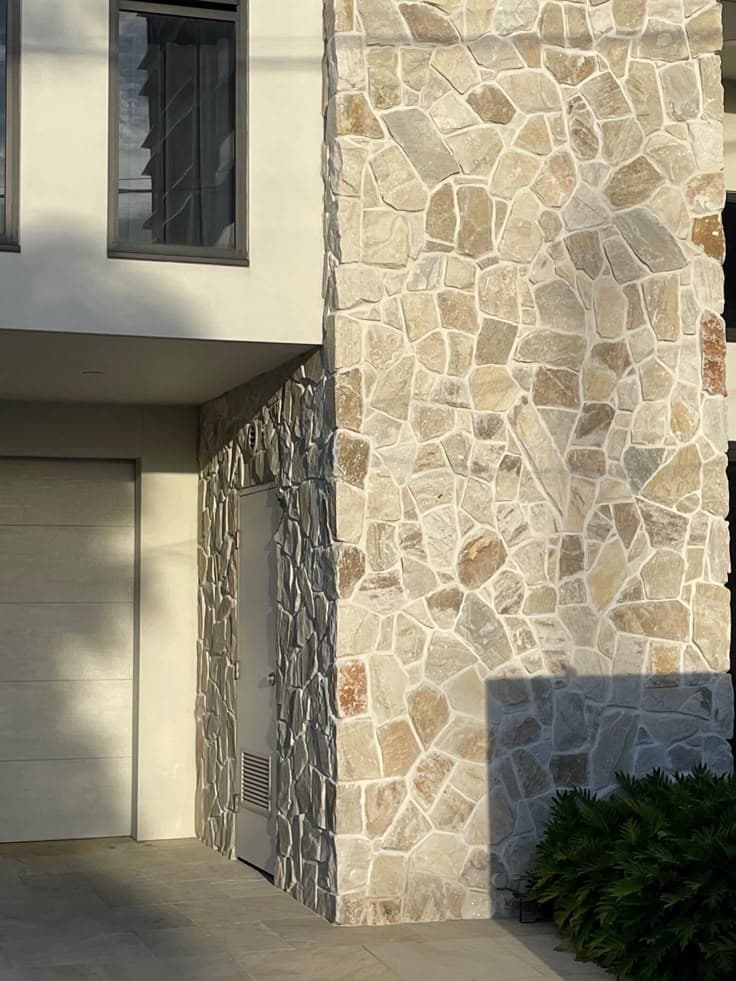
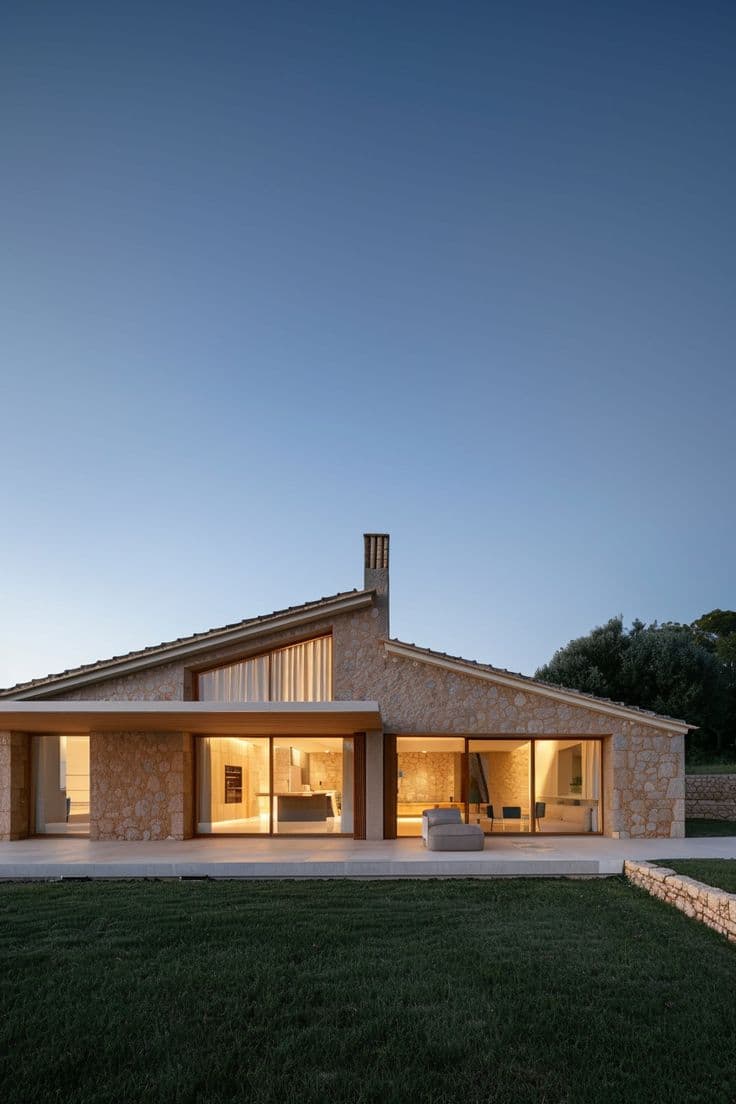
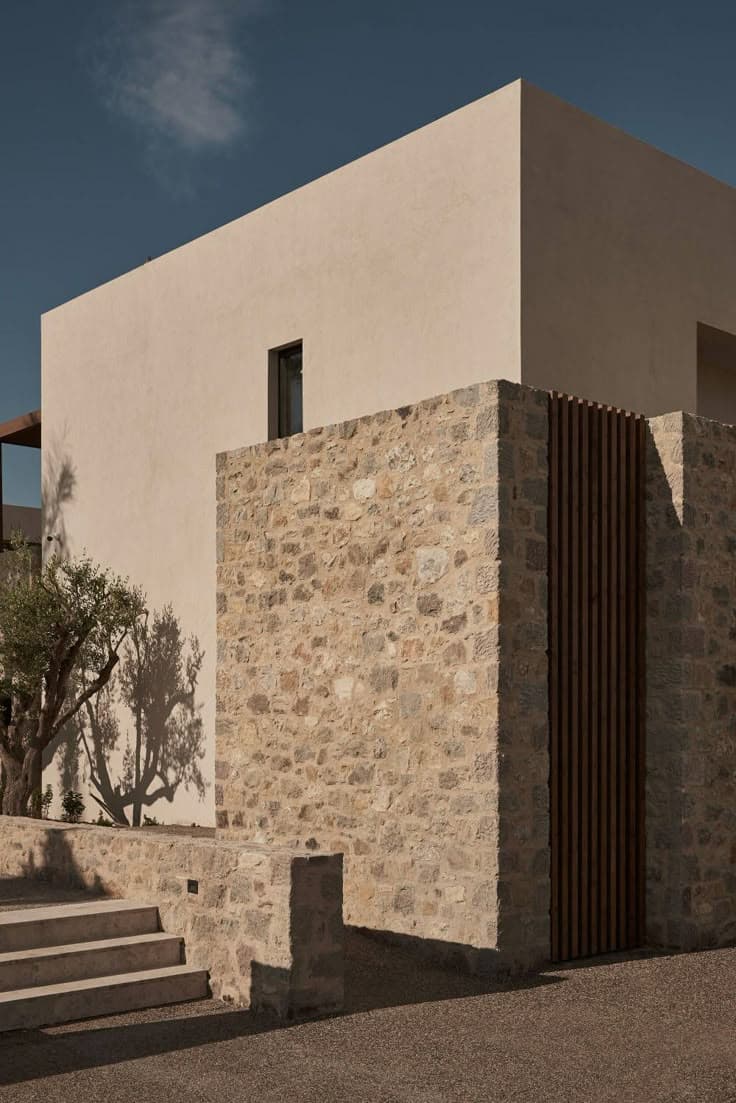
Stone looks different in a catalogue than it does on a wall. The photos below show rockface as built: the cleft texture, the grout spacing, and how light moves across the surface over the course of a day.

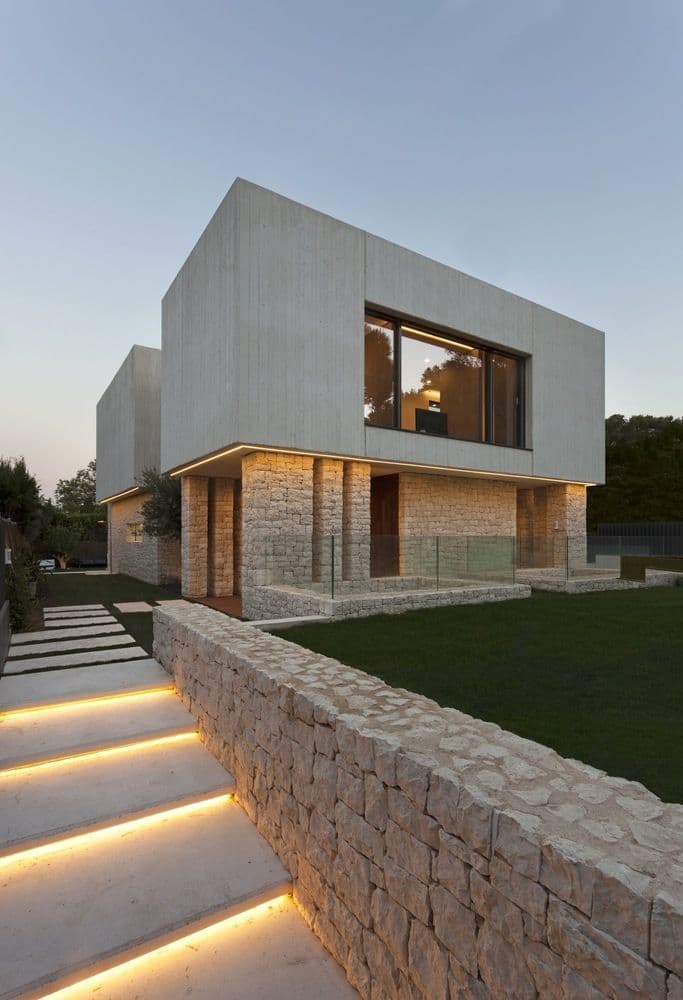
Bodrumda dogal tas kaplamali villa dis cephesi ve zeytin agaci

Rockface on a villa facade

Facade cladding

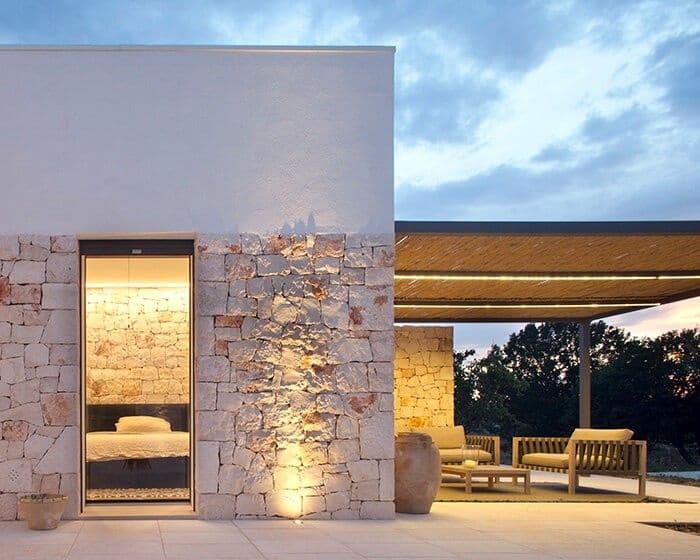
Rockface is a natural stone left with its cleft face intact. Applied to a facade, the surface stays uneven rather than flat, so it catches the light differently hour to hour: one look in the morning, another at sunset.
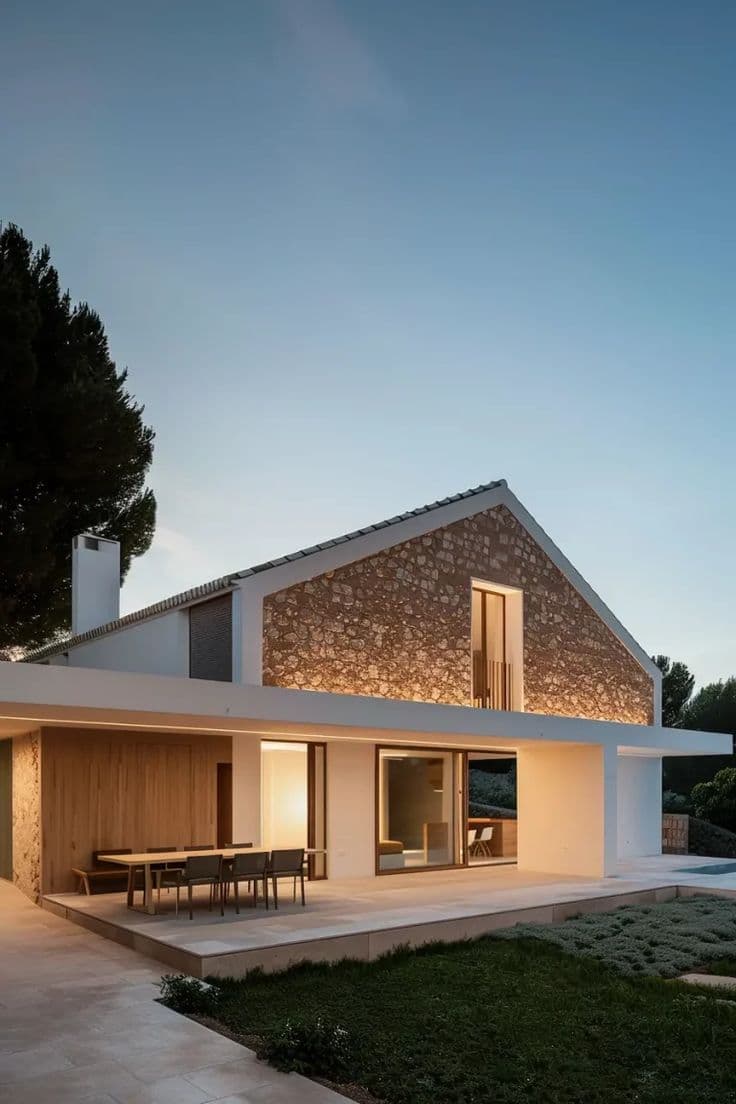
Gun batiminda dogal tas kaplamali modern villa cephesi

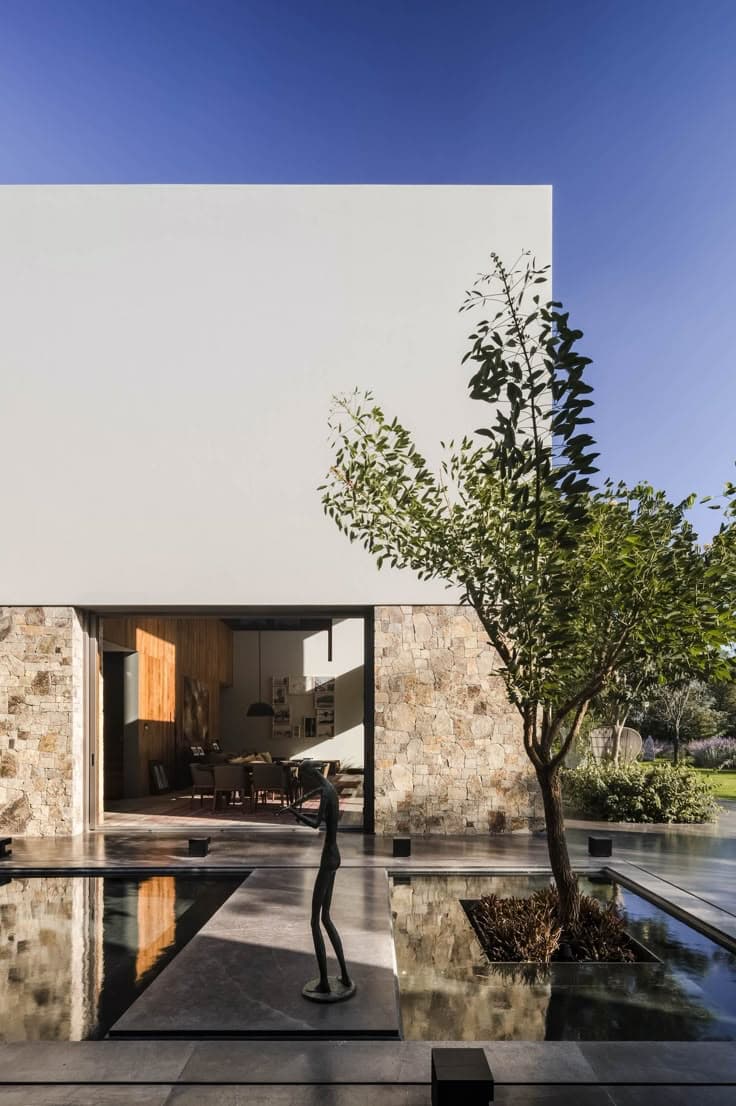
Slab system, dry-stack look

Facade cladding

The slab is 2-3 cm thick, applied straight to the facade with chemical adhesive — no extra structural work needed. It gives the look of a dry-stacked stone wall while putting far less load on the building than one.

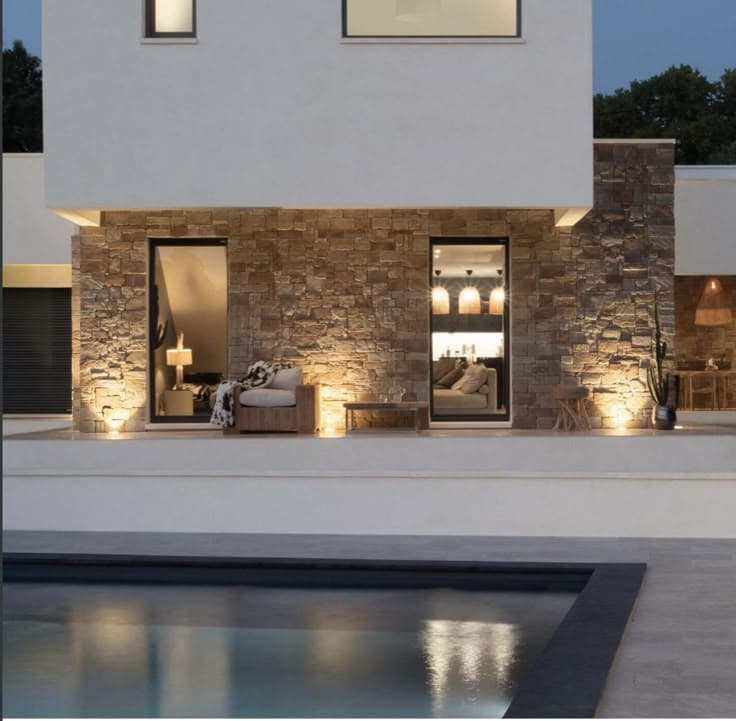
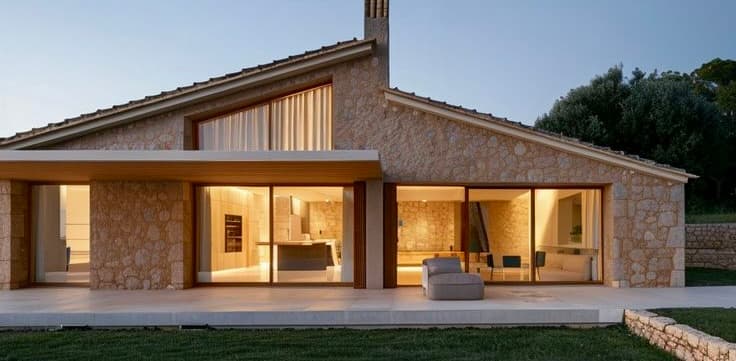
Dogal tas kaplamali tas ev - genis cephe gorunumu

Texture and grout on a large facade

Facade cladding

On large surfaces, the mix of stone sizes and grout spacing shapes how the whole facade reads. Up close, every slab's cleft is different; from a distance, it reads as a single texture.

Let's talk about how it'll look on your facade

We take on-site measurements in Bodrum, Muğla and the Aegean. Estimate your area with the m² calculator, or just write to us directly and let's assess your facade together.